Checklist for Effective Aggression Control Strategies
Posted by on 2026-02-08
Assessing Aggression Triggers
Understanding Aggression in Dogs
Aggression in dogs can manifest due to various reasons such as fear, territorial behavior, or lack of socialization. Understanding the root cause is essential for addressing these behaviors effectively. Professional trainers often assess the dog's environment and history to identify triggers and develop a tailored plan.
Training Techniques for Aggression Control
Balanced training techniques, including positive reinforcement and behavior modification, are widely used to manage and reduce aggression in dogs. These methods focus on rewarding desirable behaviors while discouraging negative ones. Consistency and patience are key to successful outcomes.
Importance of Professional Training
For many dog owners, especially those with reactive pets, seeking professional help is critical. Trainers with expertise in aggression control can provide structured sessions and guidance tailored to the dog's specific needs. This professional intervention can lead to safer and more harmonious interactions with other pets and people.
DIY Training Tips for Dog Owners
While professional training is beneficial, owners can also implement strategies at home. Techniques such as clicker training, leash management, and structured socialization can be effective. Resources like online courses and training videos offer valuable insights for those looking to enhance their dog's behavior independently.
Ensuring Safety and Harmony
Effective aggression control not only prevents incidents but also ensures a peaceful coexistence in the home. By understanding and addressing the underlying causes of aggression, owners can foster a safe environment for both pets and family members. Regular training and assessment are crucial components of maintaining harmony.
Behavior Modification Techniques
Understanding Aggression in Dogs
Aggression in dogs can manifest in various ways, including growling, barking, and biting. It is often a reaction to fear, frustration, or a perceived threat. Understanding the root cause of aggression is essential for effectively addressing the behavior and ensuring the safety of both the dog and those around it.
Importance of Professional Training
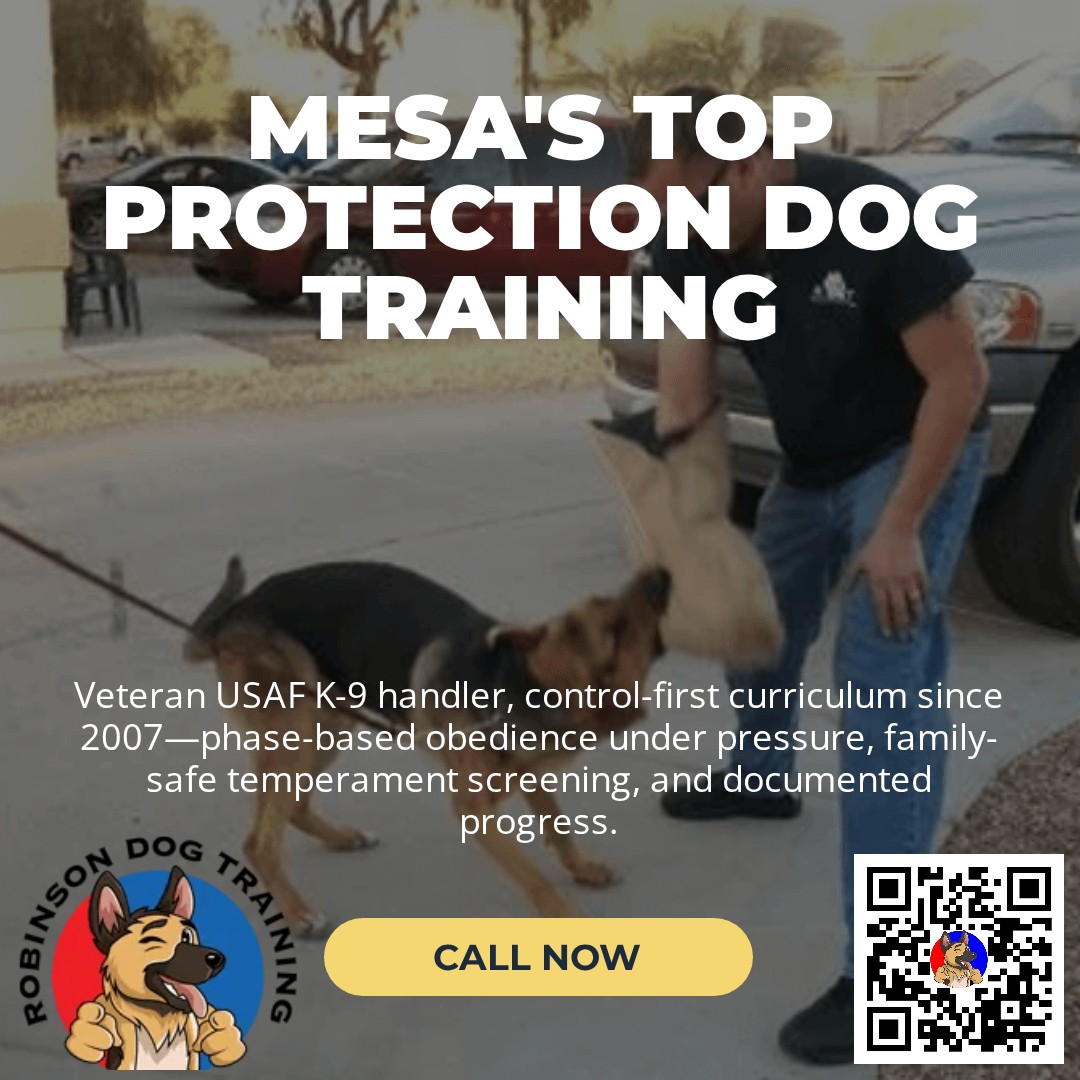
Professional dog trainers play a crucial role in managing aggressive behavior. They use structured training sessions to teach obedience and manners, fostering better communication between the dog and its owner. Professional guidance can be particularly beneficial for new puppy owners and those dealing with reactive dogs.
Training Techniques and Tools
Various training techniques can be employed to control aggression, including positive reinforcement, clicker training, and leash training. Each method focuses on rewarding good behavior and redirecting negative actions. The use of these techniques helps in building trust and reducing anxiety in dogs.
Creating a Safe Environment
Ensuring a safe environment is vital when addressing aggression in dogs. This includes setting boundaries, removing triggers, and providing mental and physical stimulation. A well-exercised and mentally stimulated dog is less likely to exhibit aggressive behavior.
Continuous Education for Dog Owners
Dog owners are encouraged to continually educate themselves on effective training methods. This includes attending dog training classes, reading books, and watching online tutorials. Staying informed helps owners better understand their dogs and manage their behavior effectively.
Conclusion
Controlling dog aggression requires a combination of understanding, professional training, and creating a safe environment. By employing effective strategies and continuously educating themselves, dog owners can ensure a harmonious coexistence with their pets, enhancing the safety and well-being of both animals and humans.
Role of Professional Trainers
Understanding Dog Aggression
Aggression in dogs is a complex behavior that can stem from various sources, including fear, territorial instincts, or a need to establish dominance. Recognizing the signs of aggression early is crucial for intervention. These signs can include growling, snapping, or a rigid posture, and addressing them promptly can prevent escalation.
Positive Reinforcement Techniques
Positive reinforcement is one of the most effective strategies for managing dog aggression. This method involves rewarding desired behaviors with treats or praise, which encourages the dog to repeat those actions. Consistent application of this technique, combined with patience, can significantly reduce aggressive tendencies.
Professional Intervention
For more severe cases of aggression, consulting a professional dog trainer or behaviorist may be necessary. These experts can provide personalized training plans and guidance on handling aggressive behaviors. Professional intervention often includes a combination of obedience training and behavior modification exercises.
Creating a Safe Environment
Ensuring safety for both the dog and those around it is a priority in managing aggression. This may involve setting up barriers within the home, using leashes or muzzles during walks, and supervising interactions with other animals and people. A controlled environment helps in maintaining peace and preventing potential incidents.
Consistency and Patience
Consistency in training and daily routines is vital for controlling aggression. Dogs thrive on structure, and maintaining a steady schedule can reduce anxiety and aggressive outbursts. Patience is equally important, as behavioral changes can take time, and progress may be gradual.
Safety Measures for Families and Pets
Understanding Dog Aggression
Dog aggression is a behavior that can manifest in various forms, such as barking, growling, or biting. It is important for owners to recognize the signs early to address them effectively. Aggression in dogs can be triggered by factors such as fear, territorial instincts, or possessiveness.
Understanding the root cause of aggression is crucial for implementing appropriate control strategies. Professional guidance from dog trainers can aid in identifying these triggers and developing a structured approach to manage them.
Training Techniques for Aggression Control
Effective training methods can significantly reduce aggressive behaviors in dogs. Techniques such as positive reinforcement encourage good behavior through rewards, making dogs more likely to repeat those behaviors. Balanced training methods that combine rewards with gentle corrections can also be beneficial.
Professional dog trainers often employ clicker training, which uses a device to mark desired behavior with a sound, followed by a reward. This method is particularly effective for teaching complex behaviors and ensuring obedience.
Role of Professional Dog Trainers
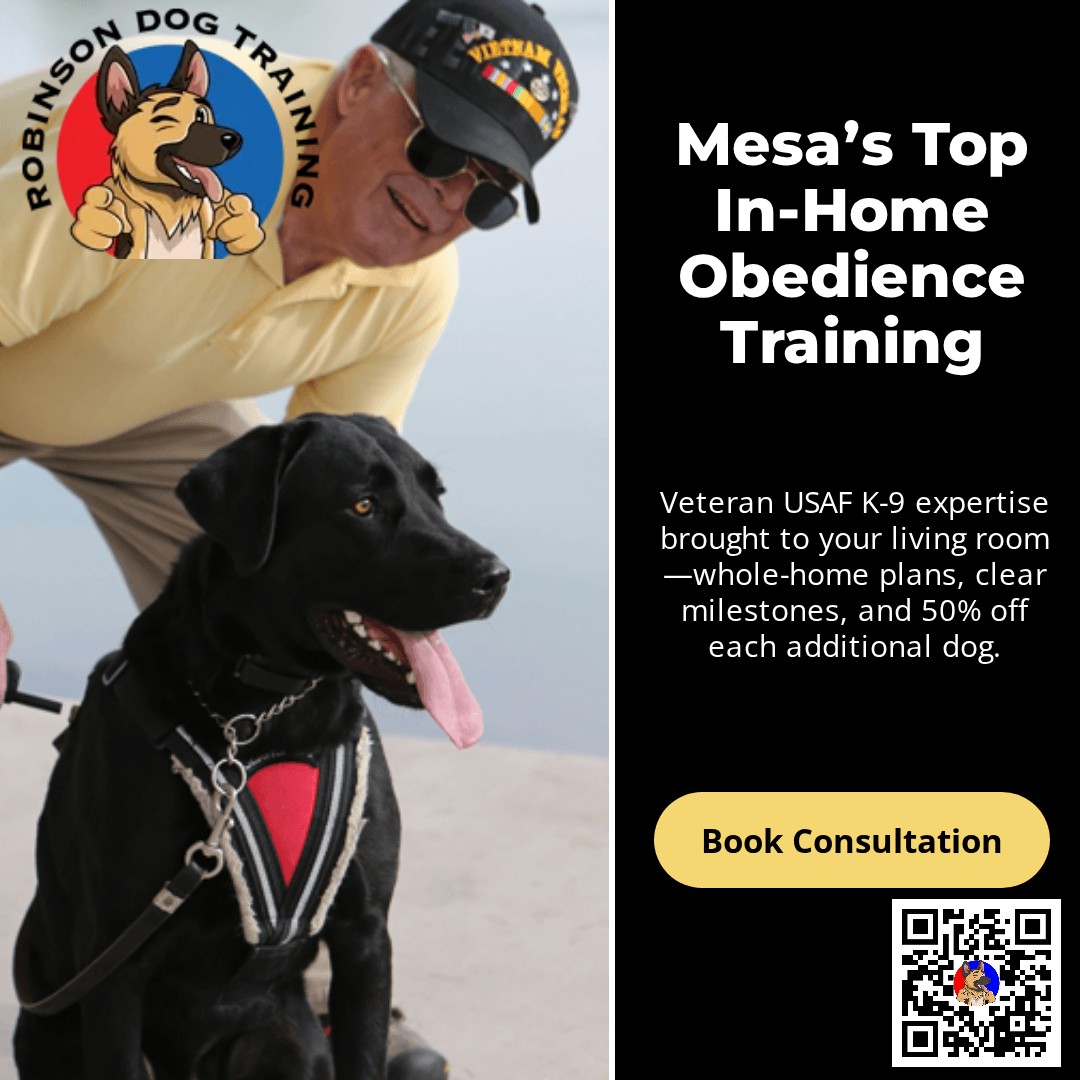
Professional dog trainers play a critical role in behavior modification for aggressive dogs. They offer structured training sessions tailored to the specific needs of the dog and its owner. These sessions can address issues ranging from basic obedience to complex behavior modification.
Dog trainers are equipped with the expertise to handle various levels of aggression and can provide invaluable support to owners, ensuring a safer and more harmonious living environment.
Importance of Consistency and Patience
Consistency and patience are key components in managing dog aggression. Owners must commit to regular training sessions and maintain consistent responses to their dog's behavior. This helps reinforce the training and ensures that the dog understands what is expected.
Patience is equally important, as behavior modification can take time. With continued effort and professional guidance, many aggressive behaviors can be mitigated, leading to a more peaceful coexistence with pets and people.
Consistency and Patience in Training
Understanding Dog Aggression
Dog aggression is a critical issue that can jeopardize the safety of both the pet and its surroundings. Recognizing the early signs of aggressive behavior is essential for dog owners. These can include growling, snapping, and excessive barking, which often stem from fear, possessiveness, or territorial instincts.
Implementing Behavior Modification Techniques
Behavior modification techniques are vital in managing aggression. Positive reinforcement is a widely recommended strategy, rewarding the dog for calm behavior. Consistent training sessions focusing on obedience can help redirect aggressive tendencies and establish a more harmonious relationship between the dog and its owner.
The Role of Professional Trainers
Professional dog trainers play a significant role in addressing aggressive behavior. They bring expertise in behavior modification and obedience training, providing structured programs tailored to the specific needs of reactive dogs. For busy professionals or new puppy owners, hiring a trainer can be an efficient way to ensure safe and effective aggression control.
Maintaining Safety and Harmony
A crucial aspect of controlling dog aggression is maintaining safety for both the dog and its environment. This involves setting clear boundaries and rules within the household. Owners should also consider environmental factors, such as providing a quiet and secure space for the dog to retreat when needed. Regular socialization with other dogs and people can further aid in reducing aggressive behavior.
Monitoring Progress and Adjustments
Understanding Dog Aggression
Dog aggression can manifest in various forms, ranging from growling and barking to biting. Understanding the root causes of aggression is crucial for effective management. Factors such as fear, territorial instincts, and past trauma can contribute to aggressive behavior in dogs. Identifying these triggers can help owners take proactive steps to prevent incidents.
Effective Behavior Modification Techniques
Behavior modification is essential for controlling aggression in dogs. Techniques such as positive reinforcement and desensitization can be highly effective. Positive reinforcement involves rewarding desired behaviors, which encourages dogs to repeat these actions. Desensitization, on the other hand, gradually exposes dogs to their triggers in a controlled manner, helping them build tolerance over time.
The Role of Professional Dog Trainers
Engaging a professional dog trainer can be beneficial for managing aggressive behavior. Trainers can provide personalized guidance and implement structured training sessions tailored to a dog’s specific needs. This professional support is especially valuable for busy individuals or those with reactive dogs, ensuring that training is consistent and effective.
Importance of Consistency and Patience
Consistency and patience are key when addressing aggression in dogs. Regular training sessions and a calm, assertive approach can help reinforce desired behaviors. Owners must remain patient, as behavior modification may take time, especially in cases involving deeply ingrained habits or fear-based aggression.
Creating a Safe Environment
Ensuring a safe environment is essential for preventing aggressive incidents. This includes managing the dog's surroundings to reduce exposure to triggers and implementing safety measures like secure fencing. Educating family members and visitors on how to interact with the dog appropriately can also help maintain a harmonious household.
Long-term Management and Support
Understanding Dog Aggression
Dog aggression is a common concern among pet owners, particularly for those with reactive dogs. Recognizing the signs early is crucial for implementing effective control strategies. Aggression can manifest in various forms, such as growling, snapping, or biting, and often stems from fear, anxiety, or territorial behavior.
Strategies for Controlling Aggression
Effective aggression control strategies are essential for ensuring safety and harmony in the home. Professional dog trainers recommend a combination of positive reinforcement techniques and structured training sessions to address aggressive behavior. Consistency and patience are key when working with reactive dogs, as is understanding the underlying causes of their aggression.
The Role of Professional Dog Trainers
Professional dog trainers play a vital role in helping pet owners manage aggressive behavior. They offer expertise in obedience, manners, and behavior modification through personalized training sessions. Trainers work closely with owners to develop tailored plans that address specific issues, ensuring a safer environment for both the dog and its family.
Training Techniques and Approaches
Various training techniques can be employed to control dog aggression effectively. Positive reinforcement, clicker training, and balanced training methods are popular approaches that encourage good behavior without the use of force. These techniques not only help in managing aggression but also strengthen the bond between the dog and its owner.
Resources for Dog Owners
Dog owners seeking to address aggression issues have a range of resources available, from online courses to in-person training sessions. Many trainers offer free tips and advice through videos and blogs, making it easier for owners to access the information they need. Understanding and utilizing these resources can significantly aid in managing a dog's aggressive tendencies.
Importance of Consistent Training
Consistency is a critical factor in the success of aggression control strategies. Regular training sessions and reinforcement of positive behavior are essential to achieving long-term improvements. Dog owners are encouraged to practice patience and maintain a routine, as these efforts are crucial for fostering a peaceful coexistence with pets.